Commercial valuation
How to value: Development land
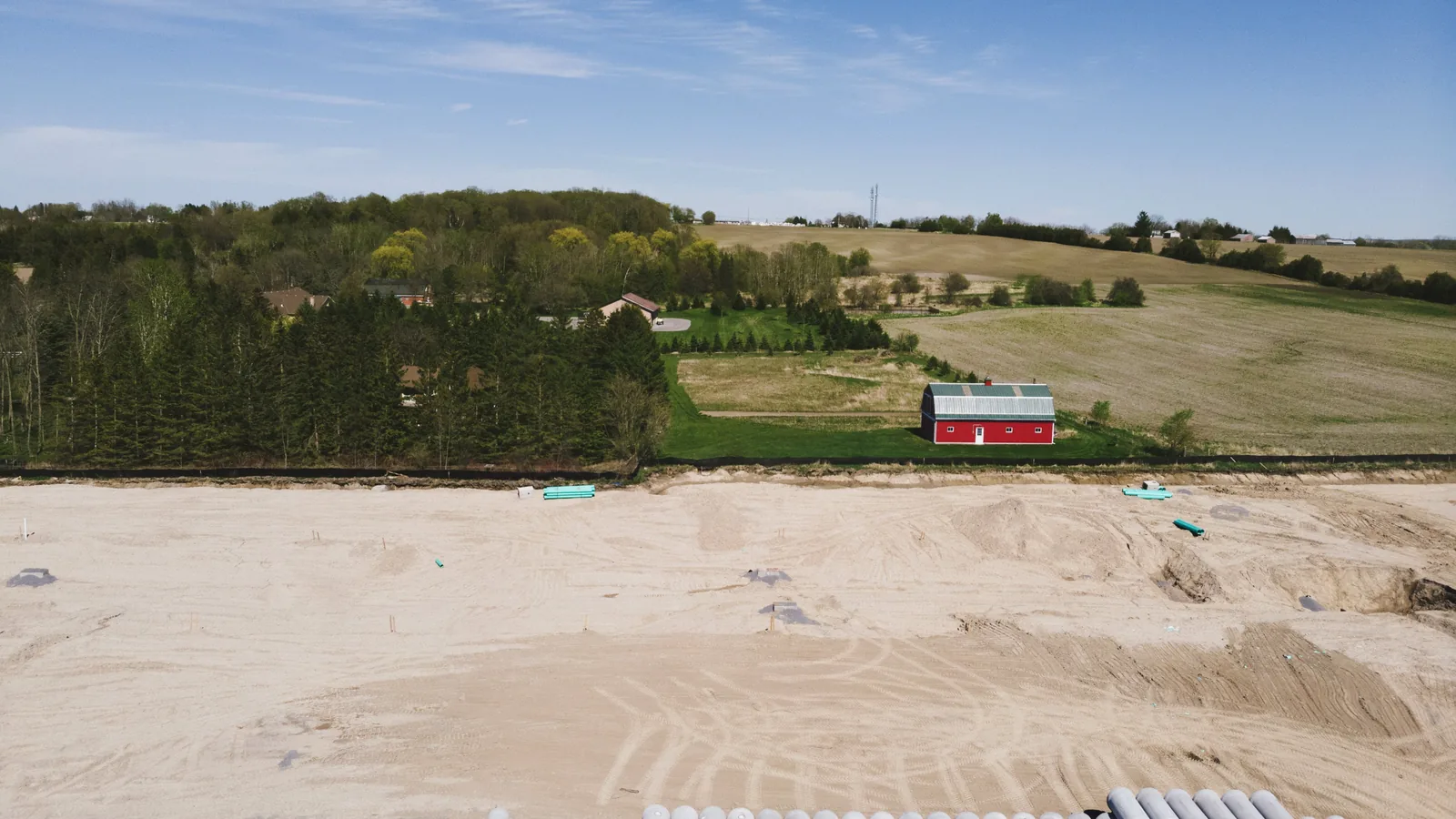
Development land is valued on “what can be built on it”, not on what is there now. The value differs a lot depending on whether the zoning and approvals are already in place or still have to be obtained.
Main method
Direct comparison and the residual calculation
Check first
Zoning and the chance of approvals
Watch out for
Approval time and cost, and interest
Timing and the market The value of this type changes with the time and the market mood. Every number below is a made-up example, not a real market number.
How this type is valued
Direct comparison: look at what similar land nearby recently sold for, and line it up as a price per acre (or per buildable area). MPAC also says it values vacant land by the direct comparison approach.
The residual calculation: this is how a developer sees it. Start with the total value of the finished project, and subtract construction cost, soft costs, taxes and charges, financing costs and the developer’s profit. What is left is the value of the land.
Land value is the most sensitive part. A small drop in the finished value or a small rise in costs can shrink what is left for the land by a lot.
The time and cost of getting approvals also count. While you wait for approvals you pay interest and taxes on the land. The most valuable legal use is called the “highest and best use”.
What drives the value
- What zoning and the Official Plan allow now, and how long a change would take.
- The chance of getting approvals: neighbours’ reactions, the city’s direction, and the results of similar past developments.
- Whether services such as water, sewer, roads and power reach the land.
- The shape and size of the land, its slope, the road it fronts, and its distance from nearby buildings.
- Environmental conditions: contamination, protected wetlands and streams, heritage.
- Development charges (fees a city puts on new development) and taxes.
- Rental income from any building on the land now (if there is one).
Documents and numbers to check
- The current state of zoning and the Official Plan, and any approval applications.
- Notes from any pre-application meeting with the city planning department.
- The survey, land information and ownership records.
- An environmental review (Phase I) and soil studies.
- The state of services: water, sewer, power and road access.
- A calculation of development charges and expected taxes.
- If there is a building now, the leases and when the tenants must leave.
What to watch out for
- Believing “approval is coming soon” and underestimating the time and cost to get it.
- A finished value and construction cost that turn out different from the plan.
- Interest and taxes that keep running while you wait for approvals.
- Contamination or protected areas that reduce the buildable area.
- Leaving out development charges and taxes in the calculation.
A made-up example: the land value a developer sees (residual value)
These numbers are made up to show the arithmetic. They are not figures from any real development. Construction and soft costs of $28,000,000, financing costs and taxes of $2,000,000, and the developer’s target profit of $6,000,000 stay the same. Only the total value of the finished project changes.
| Total value when finished | Costs and profit combined | Land value (what is left) |
|---|---|---|
| $40,000,000 | $36,000,000 | $4,000,000 |
| $38,000,000 (5% lower) | $36,000,000 | $2,000,000 |
| $36,000,000 (10% lower) | $36,000,000 | $0 |
What changes with timing and the market
- When construction and labour costs rise, less is left for the land. As the example shows, if the finished value falls 10%, the land value can drop to zero.
- When rates rise, interest during construction increases and buyers of the finished homes carry a heavier loan. (A general principle, not a rule.)
- When the presale and rental market weakens, developers are less eager to buy land, so land sales slow and the price basis changes.
- When the speed of approvals and city policy change, the same land is worth a different amount.
- So do not treat the price of similar land sold a few months ago as today’s value. Land is the type most sensitive to the market mood.
Official sources
What the official sources say 5
The valuation approach we use depends on a number of factors including property type, and the number of recent comparable sales of similar properties in the area.In plain wordsWhich method is used (direct comparison, income, or cost) depends on the kind of property and how many recent comparable sales there are. This page says MPAC uses the income approach for income-producing buildings. This is the property tax assessment method. It is similar to, but not the same as, how a market price is set.
Source: mpac.ca/en/UnderstandingYourAssessment/ThreeApproachesValue · checked Oct 30, 2026
Zoning by-laws may be passed by the councils of local municipalities: … For prohibiting the use of land, for or except for such purposes as may be set out in the by-law within the municipality or within any defined area or areas … For regulating the type of construction and the height, bulk, location, size, floor area, spacing, character and use of buildings or structures to be erected or located within the municipality or within any defined area or areas …In plain wordsA city council can use a zoning by-law to limit what land is used for and to regulate the type, height, bulk, location, size, floor area and spacing of buildings. So the same land allows different things depending on its zoning.
Source: ontario.ca/laws/statute/90p13 · checked Oct 30, 2026
Subject to subsection (2), a person shall not, (a) change the use of a property from industrial or commercial use to residential or parkland use; (b) change the use of a property in a manner prescribed by the regulations; or (c) construct a building if the building will be used in connection with a change of use that is prohibited by clause (a) or (b).In plain wordsTo change land from industrial or commercial use to residential or parkland use, a Record of Site Condition (RSC) must first be filed for the property (apart from the exceptions in subsection (2) of the same section). It is not required for every purchase. It matters most for old factory, repair shop, gas station or dry cleaner sites you plan to change to another use.
Source: ontario.ca/laws/statute/90e19 · checked Nov 2, 2026
(iv) 2 per cent of the value of the consideration that exceeds $400,000; andIn plain wordsOntario land transfer tax is paid when the transfer of land is registered, and the part of the price above $400,000 is taxed at 2%. The extra 0.5% in the same section applies only to land with one or two single family residences, so for commercial and industrial land this 2% is the highest bracket. Toronto also has its own municipal land transfer tax, so ask a lawyer.
Source: ontario.ca/laws/statute/90l06 · checked Oct 30, 2026
A particular supply by way of sale of a residential complex or an interest in a residential complex made by a particular person who is not a builder of the complex or, if the complex is a multiple unit residential complex, an addition to the complex, unlessIn plain wordsThe exempt list includes the sale of a residential complex by someone who is not its builder. A sale of a commercial or industrial building or land does not fall under this item, so HST often applies. It depends on whether the seller is an HST registrant and how the buyer reports it, so check with an accountant.
Source: laws-lois.justice.gc.ca/eng/acts/E-15/page-120.html · checked Oct 30, 2026
FAQ
How is land valued before approvals?
Start from the value for the use allowed now, and reflect the chance of getting approvals and the time and cost it takes. Another way is to take the value once approved and subtract the risk and the time cost. Check the chance of approval with city planning staff and professional opinions, not the seller’s words.
Why does land value change so much?
Land value is “what is left after costs and profit are taken out of the money from selling the finished project”, so a small change in the finished value or the costs makes the remainder change a lot. That is why it is the most sensitive to the market mood.
Who pays development charges?
They are fees a developer pays the city when building. When you buy land you must include an estimate of them in the calculation. See the glossary entry.
Other types
Warehouse and industrial
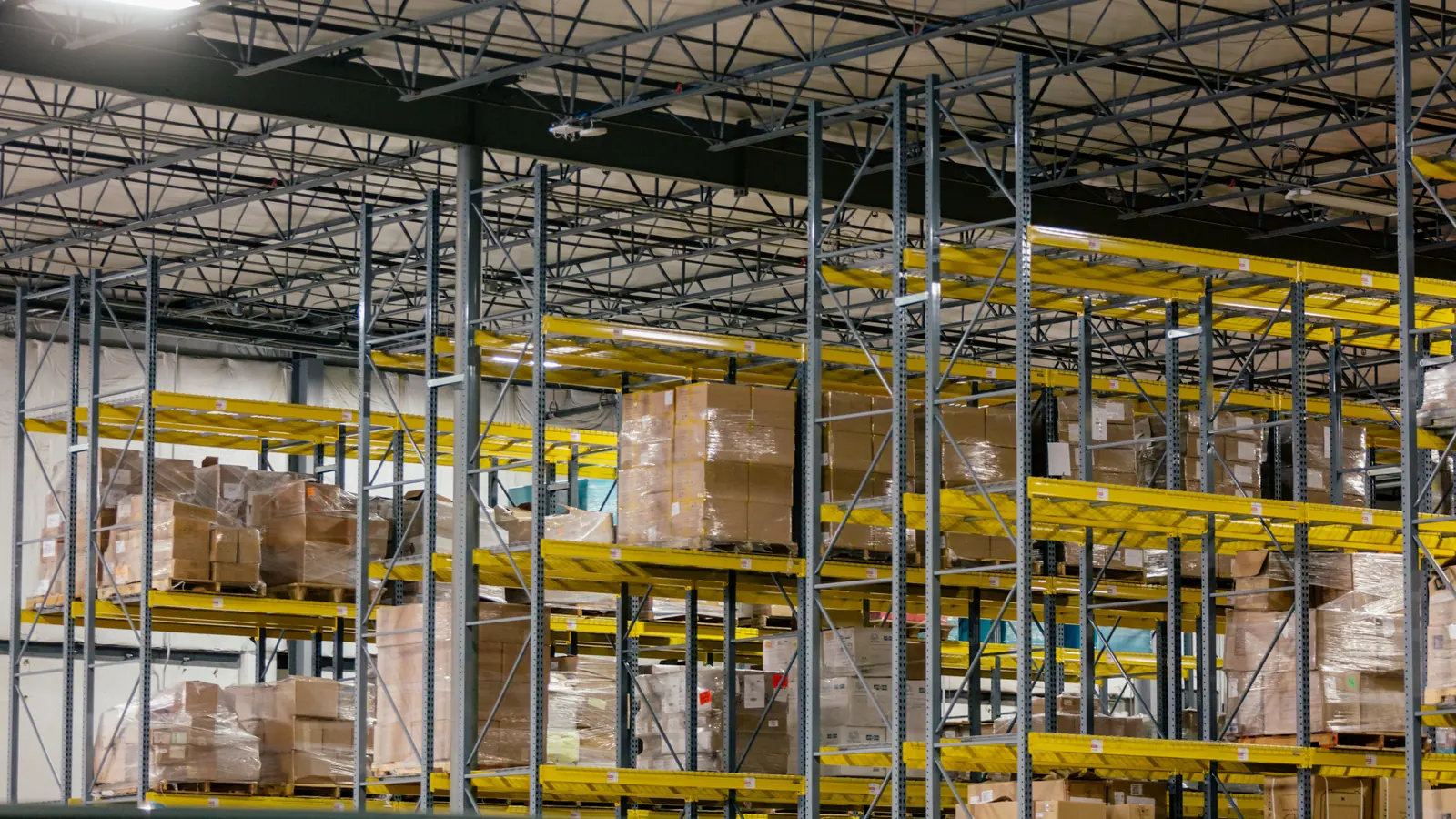
Warehouses, logistics space and small factories. Priced from rental income and recent sales of similar buildings.
See details →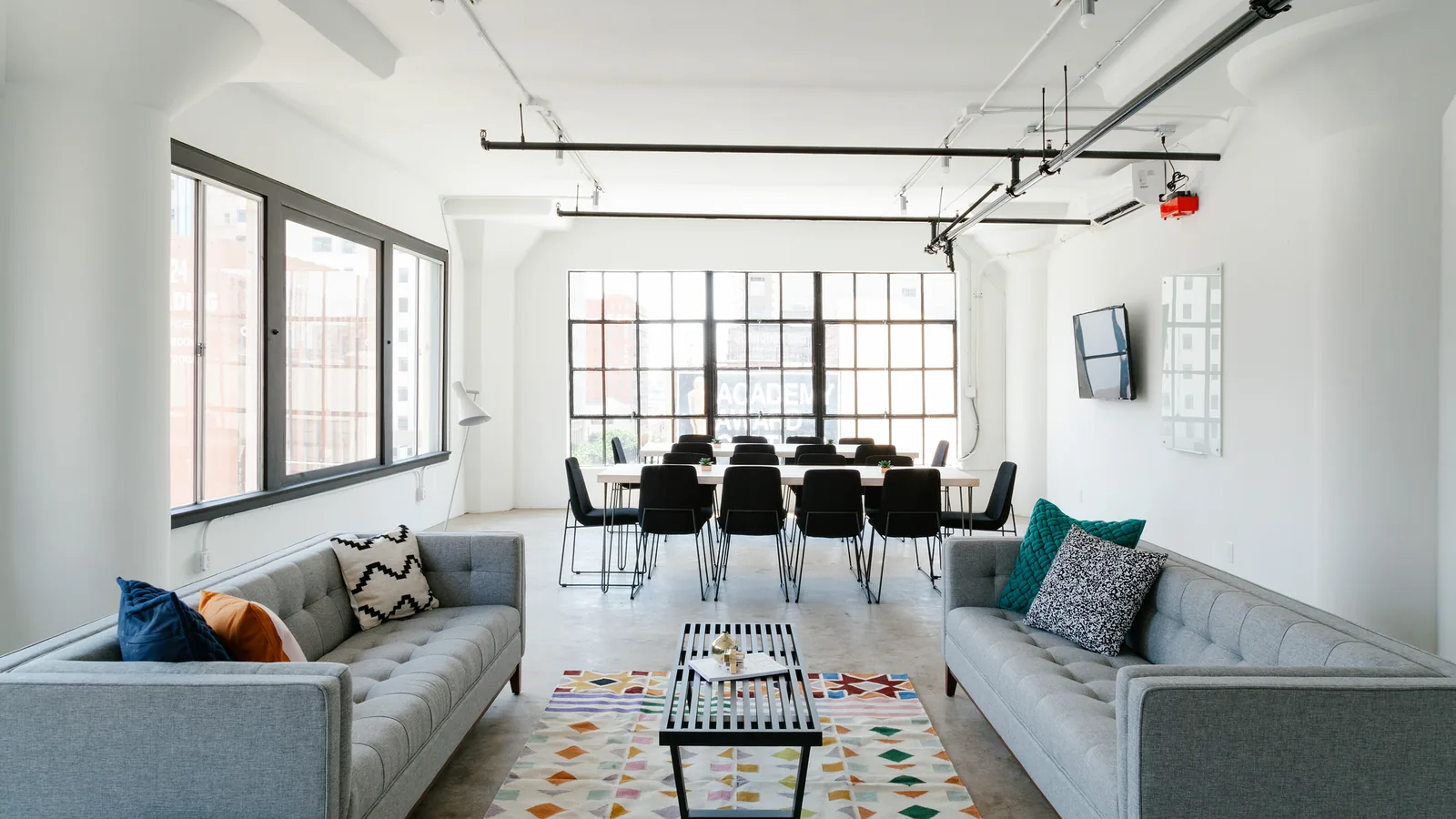
Vacant office
An empty office building or unit. Start from the value once leased, then subtract the cost of getting there.
See details →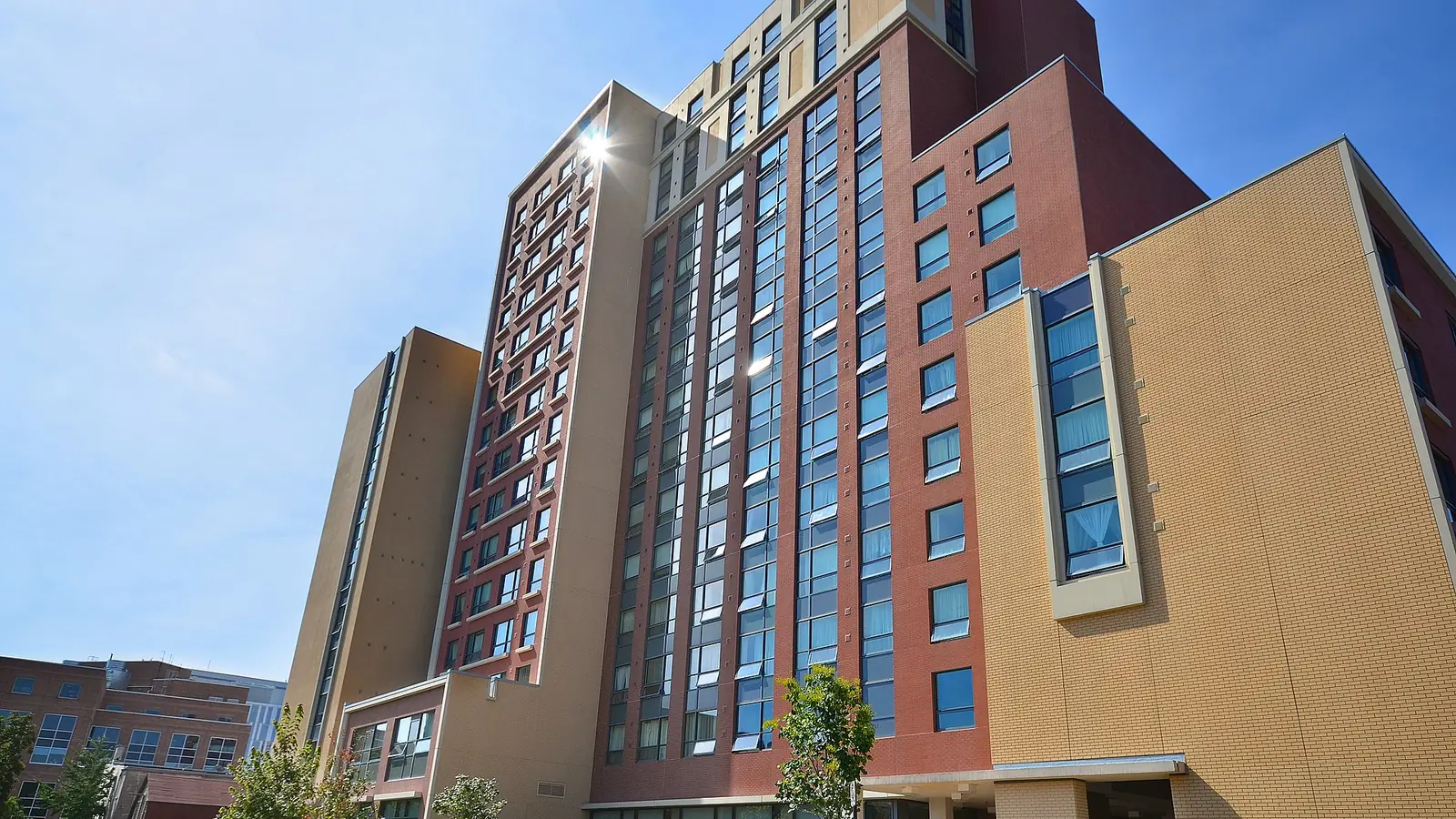
Apartment building (multi-unit rental)
A building with several rental units. Rental income, operating costs and rent increase limits set the value.
See details →
Shall we look at the building you are considering?
Tell me about the property or business you are looking at and I will explain how it is valued and what to check first. A formal appraisal is done by a qualified appraiser.
This page was made from official sources checked on Nov 2, 2026. It is not legal, tax or financial advice.
Main sources for this page
- MPAC, Three Approaches to Value · Oct 30, 2026
- Planning Act — Power to pass zoning by-laws · Oct 30, 2026
- Environmental Protection Act (Ontario) — Record of Site Condition · Nov 2, 2026
- Land Transfer Tax Act (Ontario) · Oct 30, 2026
- Excise Tax Act, Schedule V, Part I — exempt supplies of real property · Oct 30, 2026