Commercial valuation
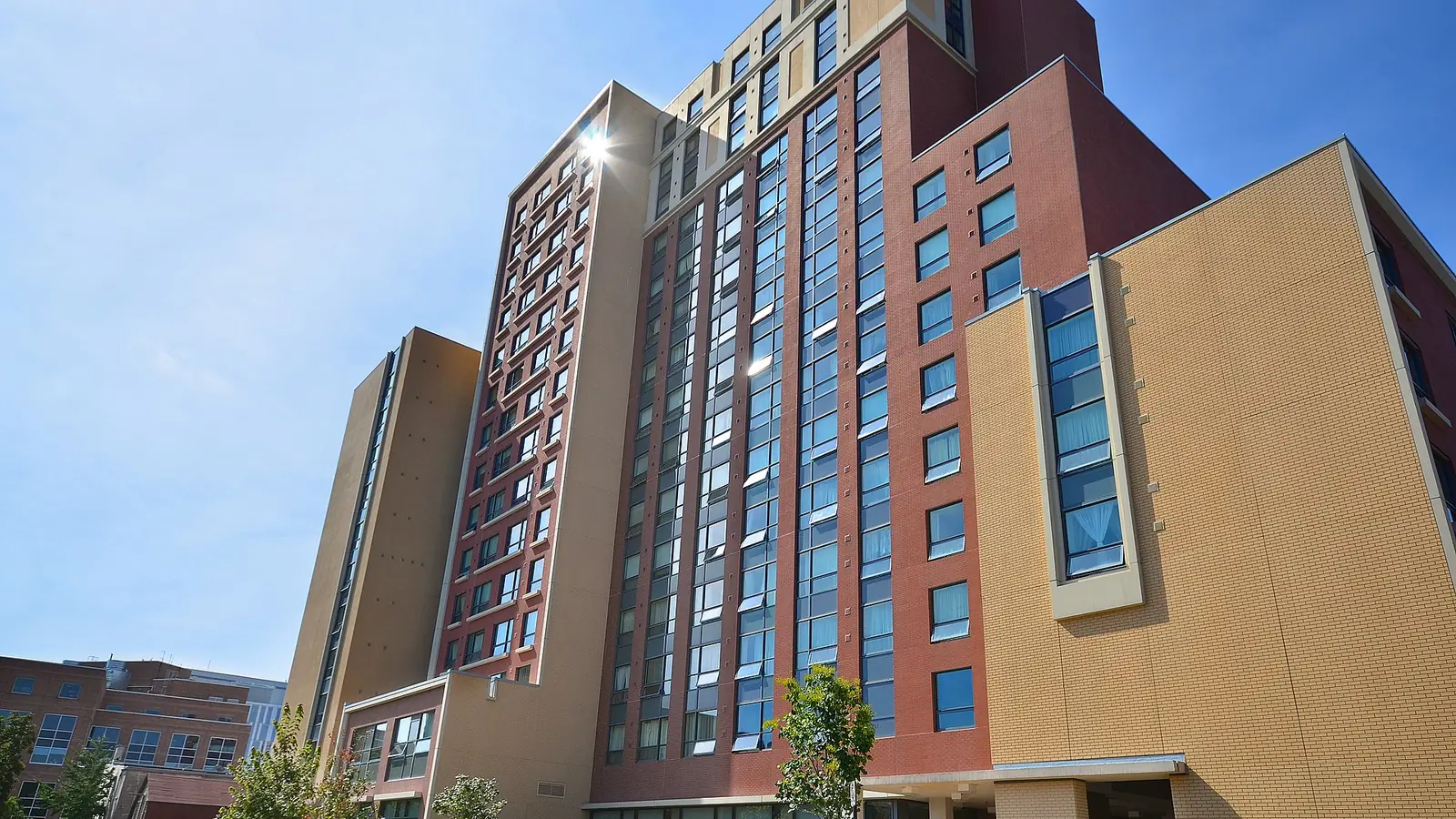
How to value: Apartment building (multi-unit rental)
A rental building with several households is valued on how reliably it can produce income. In Ontario most tenants have a rent increase limit, so your calculation must allow for the fact that rent cannot be raised freely.
Main method
Income approach (NOI ÷ cap rate)
Check first
Whether the rent increase limit applies
Watch out for
Confirm operating costs from real bills
Timing and the market The value of this type changes with the time and the market mood. Every number below is a made-up example, not a real market number.
How this type is valued
The income approach is the main method. Take rent from all units, subtract vacancy loss and the operating costs the owner pays (property tax, insurance, heat and water, management, repairs), and divide the net operating income (NOI) by the cap rate. MPAC also says it values buildings with many households by the income approach.
Always check the rent increase limit. The Ontario government says most tenants have a rent increase limit (the guideline), and that new buildings first occupied after November 15, 2018 and similar cases are exempt from rent control. How old the building is, and which side each unit falls on, changes future income.
If many units are rented below the market rent, there may be room to raise the rent when a tenant leaves and a new one moves in. But changing tenants takes time and money, and you must follow the procedure the law sets.
Do not trust the seller’s operating costs as given. Check them against actual bills and receipts. A building where heat is included in the rent is more sensitive to changes in heating costs.
What drives the value
- The number and mix of units (studio, 1-bed, 2-bed) and the gap between current rents and market rents.
- When each tenant moved in, and whether the rent increase limit applies.
- Vacancy, late payments and how often tenants turn over.
- The share of operating costs: property tax, heat, water, repairs and management.
- The age and condition of the building: roof, boiler, elevators, plumbing and electrical.
- Location and rental demand: distance to schools, jobs and transit.
- Loan terms and interest cost (these affect cash flow after you buy).
Documents and numbers to check
- A rent roll (each unit’s rent, move-in date and rent increase history).
- Each unit’s lease and deposit (last month’s rent deposit).
- Income and operating costs for the last 2 to 3 years, and the heat, power and water bills.
- The property tax bill and the MPAC class.
- A building condition report, fire inspection records, and any legal issues or complaints.
- Rent increase notices and any Landlord and Tenant Board (LTB) paperwork.
- An environmental review (Phase I), and a check for materials in older buildings (asbestos, aluminum wiring and so on).
What to watch out for
- Relying on the idea that “changing tenants lets us raise rents a lot”: the time, renovation cost and empty period are easily left out.
- Operating costs from the seller that are lower than the real ones.
- An older building that will soon need major repairs (boiler, roof, elevators).
- Many disputes with tenants or late payments.
- Loan rates rising while cash flow is thin.
A made-up example: the same building, a value that changes with the cap rate
These numbers are made up to show the arithmetic. They are not real market cap rates or prices. The example is a building with total yearly rent of $600,000 from all units, a vacancy loss of $30,000, and operating costs paid by the owner of $210,000. Net operating income (NOI) is $600,000 − $30,000 − $210,000 = $360,000.
| Cap rate | Net operating income (NOI) | Value |
|---|---|---|
| 4.5% | $360,000 | $8,000,000 |
| 5.5% | $360,000 | $6,545,455 |
| 6.5% | $360,000 | $5,538,462 |
What changes with timing and the market
- When rates rise, cap rates tend to rise, so the value of the same NOI falls, and loan interest rises too, which shrinks cash flow. (A general principle, not a rule.)
- The government sets the rent increase limit each year, so the income you can expect in future years changes too.
- When rental demand is strong, vacancies drop and rents are easier to raise when tenants change. When it is weak, the opposite happens.
- When operating costs such as heat, property tax and insurance rise, NOI falls and the value falls.
- So do not treat the price of a similar building sold a few months ago as today’s value.
Official sources
What the official sources say 5
their defining feature is that they contain seven or more self-contained residential unitsIn plain wordsMPAC describes buildings with seven or more self-contained residential units as the multi-residential class, and says it values them by the income approach. This is a property tax assessment class and may differ from a lender’s or another law’s dividing line.
Source: mpac.ca/en/PropertyTypes/MultiResidentialPropertyAssessments · checked Nov 2, 2026
The valuation approach we use depends on a number of factors including property type, and the number of recent comparable sales of similar properties in the area.In plain wordsWhich method is used (direct comparison, income, or cost) depends on the kind of property and how many recent comparable sales there are. This page says MPAC uses the income approach for income-producing buildings. This is the property tax assessment method. It is similar to, but not the same as, how a market price is set.
Source: mpac.ca/en/UnderstandingYourAssessment/ThreeApproachesValue · checked Oct 30, 2026
The guideline is the maximum a landlord can increase most tenants’ rent during a year without the approval of the Landlord and Tenant Board.In plain wordsMost tenants have a rent increase limit (the guideline), and going above it needs the approval of the Landlord and Tenant Board (LTB). The same page also says new buildings first occupied after November 15, 2018 and similar cases are exempt from rent control.
Source: ontario.ca/page/residential-rent-increases · checked Oct 30, 2026
(iv) 2 per cent of the value of the consideration that exceeds $400,000; andIn plain wordsOntario land transfer tax is paid when the transfer of land is registered, and the part of the price above $400,000 is taxed at 2%. The extra 0.5% in the same section applies only to land with one or two single family residences, so for commercial and industrial land this 2% is the highest bracket. Toronto also has its own municipal land transfer tax, so ask a lawyer.
Source: ontario.ca/laws/statute/90l06 · checked Oct 30, 2026
A particular supply by way of sale of a residential complex or an interest in a residential complex made by a particular person who is not a builder of the complex or, if the complex is a multiple unit residential complex, an addition to the complex, unlessIn plain wordsThe exempt list includes the sale of a residential complex by someone who is not its builder. A sale of a commercial or industrial building or land does not fall under this item, so HST often applies. It depends on whether the seller is an HST registrant and how the buyer reports it, so check with an accountant.
Source: laws-lois.justice.gc.ca/eng/acts/E-15/page-120.html · checked Oct 30, 2026
FAQ
Can I raise the rent to increase the value?
The Ontario government says most tenants have a rent increase limit. To raise it above the limit you need a procedure the law sets, and some units, such as those in new buildings, are exempt. Ask a lawyer which side each unit falls on.
Is an apartment building a “home” or “commercial”?
The dividing line differs by lender, tax class and law. For example, MPAC describes buildings with seven or more self-contained residential units as the multi-residential class (see the source box below). Ask a lender, an accountant and a lawyer how this building is classified for financing and tax.
What costs come after I buy the building?
Property tax, insurance, heat and water, management and repairs are the owner’s. It is wise to set money aside in advance for major repairs.
Other types
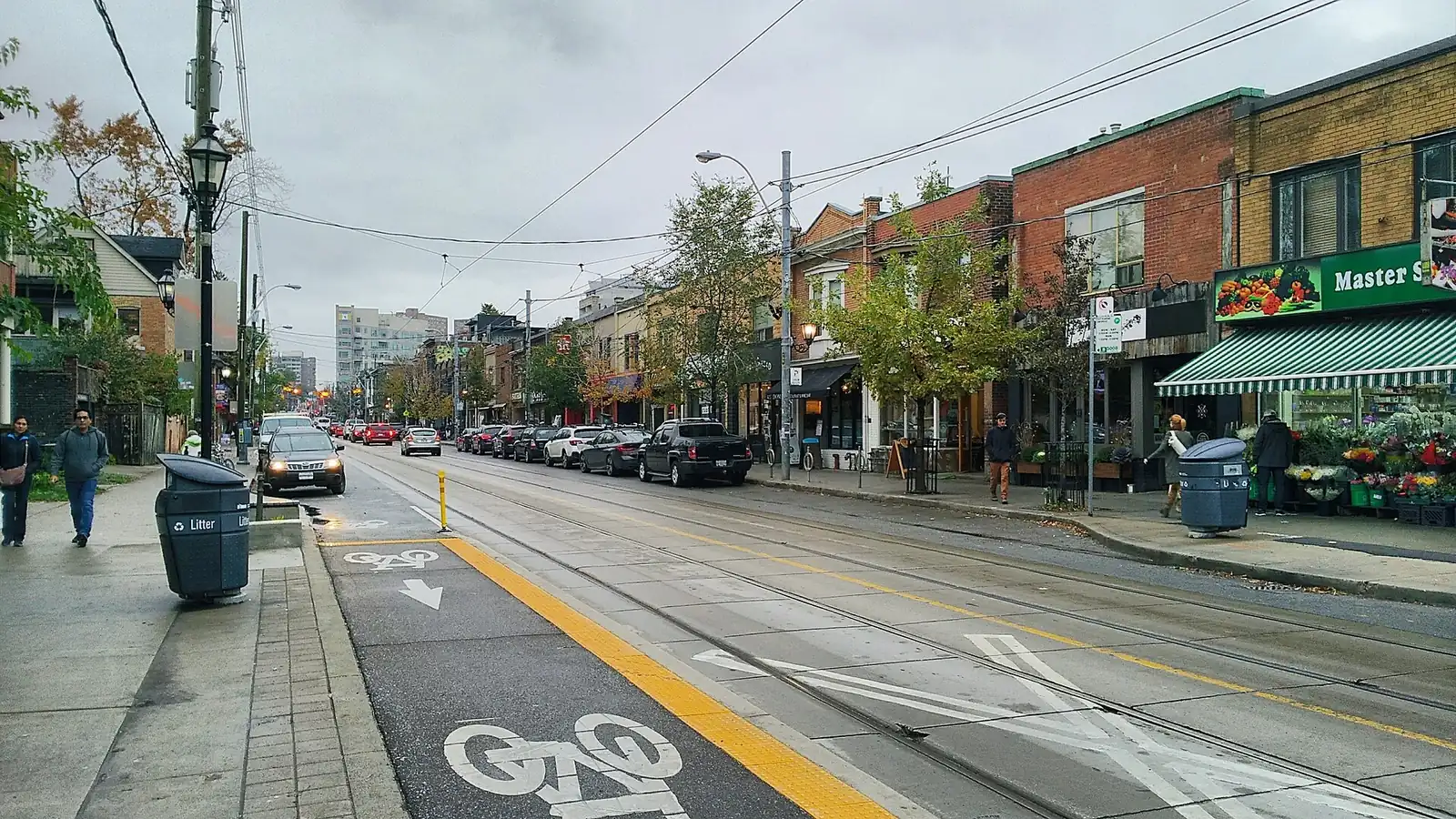
Retail (storefront and plaza)
Street storefronts, strip plazas and ground-floor shops. The quality of tenants and leases sets the value.
See details →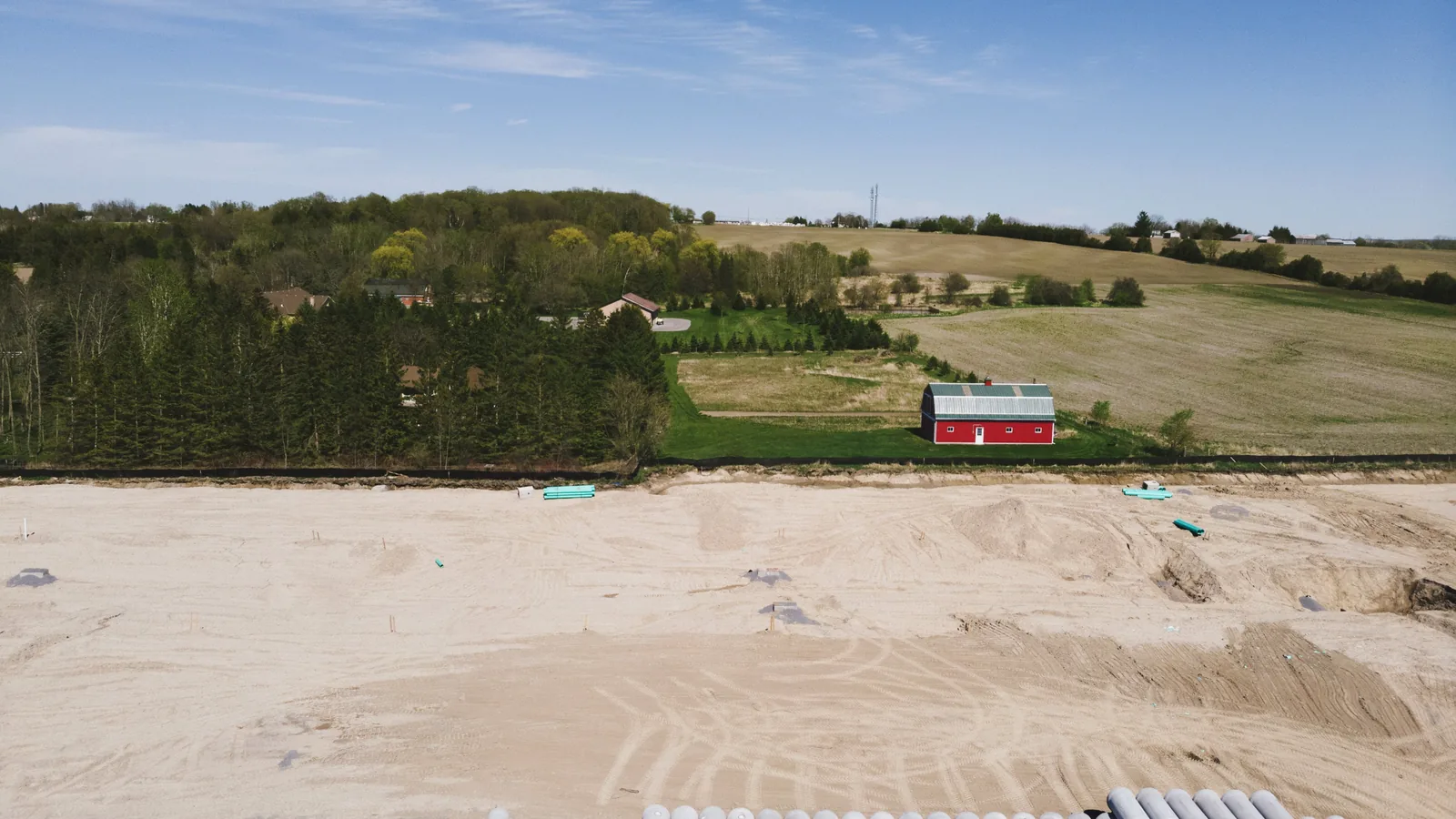
Development land
Land to build on, or a site to clear and redevelop. Zoning and the chance of approvals set the value.
See details →
Vacant office
An empty office building or unit. Start from the value once leased, then subtract the cost of getting there.
See details →
Shall we look at the building you are considering?
Tell me about the property or business you are looking at and I will explain how it is valued and what to check first. A formal appraisal is done by a qualified appraiser.
This page was made from official sources checked on Nov 2, 2026. It is not legal, tax or financial advice.
Main sources for this page
- MPAC, Multi-residential property assessments · Nov 2, 2026
- MPAC, Three Approaches to Value · Oct 30, 2026
- Ontario, Residential rent increases · Oct 30, 2026
- Land Transfer Tax Act (Ontario) · Oct 30, 2026
- Excise Tax Act, Schedule V, Part I — exempt supplies of real property · Oct 30, 2026